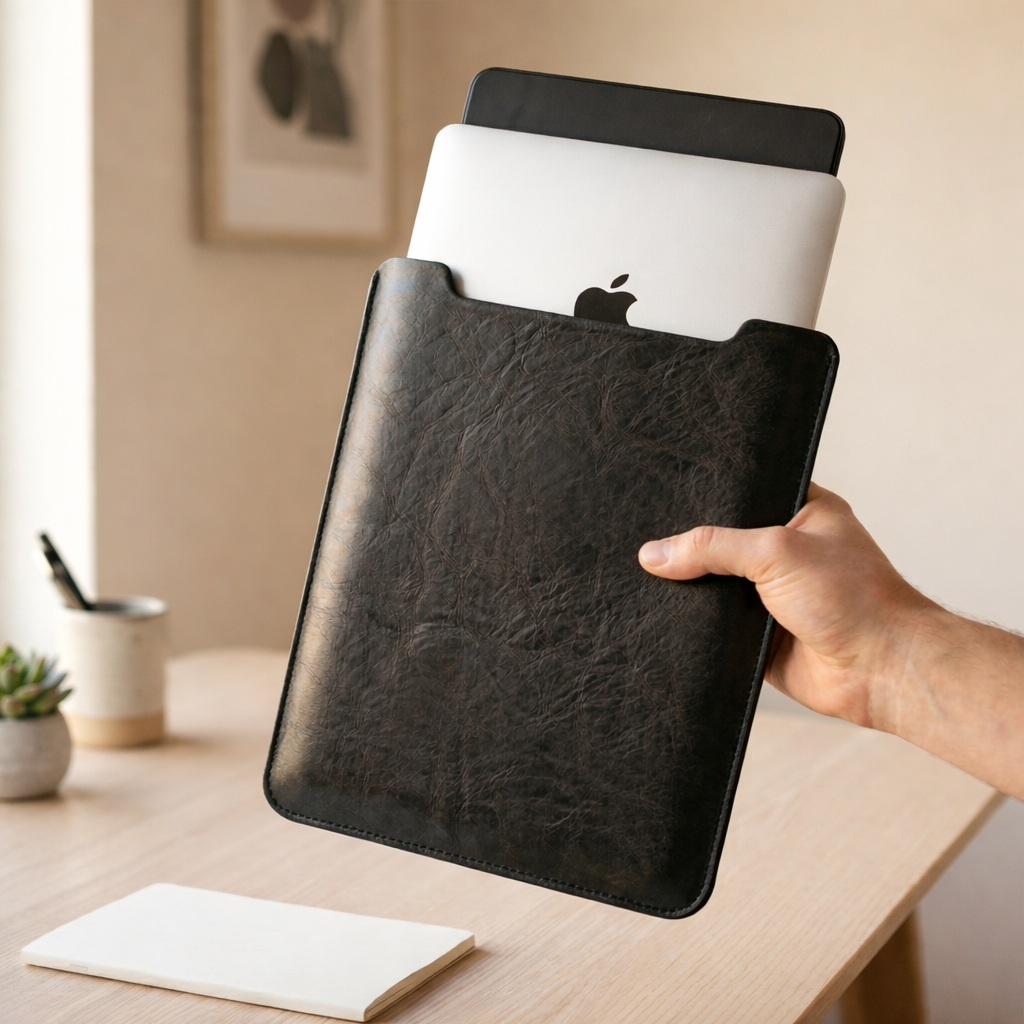
Your desk communicates something before you say a word. A minimal setup tells the story of someone who makes intentional choices, values clarity over clutter, and understands that less can be more productive than more.
Building a minimal desk setup is not about having the fewest items possible. It is about having exactly what you need, arranged with purpose, in colors that work together.
The Philosophy Behind Minimal Desk Design
Minimalism at your desk serves three things: your focus, your aesthetics, and your productivity. When everything has a place and everything matches, your brain spends less energy processing visual noise. You can think more clearly when your environment feels organized.
True minimal design follows the principle of intentional curation. Every item earns its place through function, form, or both. Nothing exists just because it was convenient to buy.
Choosing Your Color Palette
The foundation of any minimal desk setup is a cohesive color palette. Most successful minimal setups use two or three colors maximum. One dominant neutral and one or two accent colors.
The Three-Color System
✦ Start with a neutral base. Charcoal, cream, or warm white. This becomes your primary color for larger items like your desk mat, monitor, and laptop.
✦ Add one warm accent. Wood tones, warm gold, or soft leather brown. This works for smaller accessories like pen holders and headphone stands.
✦ Consider one cool accent sparingly. A touch of black metal or dark gray can add contrast, but use it minimally.
Your brain processes matching items as a single unit rather than multiple separate objects. When your mouse pad, desk mat, and cable organizer share the same color family, they create visual quiet. When they are all different brands with different color temperatures, they create visual noise.
The Seven Essential Categories
A minimal desk setup needs exactly seven categories. More creates clutter. Fewer creates functional gaps.
✦ Surface Protection. Your desk mat defines your workspace boundaries. Choose something large enough to anchor your setup. Leather works better than fabric for minimal setups because it ages gracefully.
✦ Input Devices and Charging. Your mouse pad should handle both navigation and wireless charging. This eliminates one cable and one separate charging area.
✦ Cable Management. A good cable organizer holds three to six cables without looking bulky. It should match your other accessories.
✦ Lighting Control. A monitor light bar provides focused task lighting without taking desk space or creating screen glare.
✦ Audio Storage. A headphone stand keeps them accessible but off your desk surface.
✦ Organization. A small catchall tray handles the daily items that otherwise create desk clutter: your watch, rings, earbuds, or keys.
✦ Air Quality. A small humidifier improves comfort during long work sessions. Choose something quiet that does not require frequent refilling.
Layout and Spatial Arrangement
Minimal desk layouts follow the principle of visual weight balance. Heavy items anchor one side. Lighter items balance the other. Nothing sits in the exact center unless it is meant to be the focal point.
✦ The Triangle Rule. Arrange your three most important items in a triangle rather than a straight line. This creates visual interest while maintaining order.
✦ Breathing Room. Leave empty space intentionally. If every square inch serves a function, you have gone too far toward utility and away from minimalism.
✦ Cable Routing. Visible cables should run parallel to desk edges, never diagonally across open space.
The System Approach vs Individual Pieces
Building a minimal desk setup piece by piece often leads to a collection that looks assembled rather than designed. Each purchase decision happens in isolation, leading to different color temperatures, different design languages, and different quality levels.
The system approach solves this by treating your desk accessories as a coordinated set. Everything shares the same color palette, the same design philosophy, and the same quality standard. The result looks intentional because it is intentional.
Consider the cost difference. Seven separate accessories from different brands might cost $400 to $500 and still not match. A coordinated system costs less and guarantees visual cohesion. The DESKLUX Essential System ($299) gives you five coordinated pieces. The Premium System ($499) gives you ten. Both arrive in one box. Everything matches from day one.
Maintenance and Evolution
✦ The One-In-One-Out Rule. When you add something new to your desk, remove something else.
✦ Monthly Reset. Clear everything off your desk and put back only what you used in the past week.
✦ Seasonal Adjustments. Swap accessories as your needs change. The key is swapping rather than adding.
Common Minimal Setup Mistakes
The biggest mistake is confusing minimal with cheap. Minimal setups work best with fewer, higher-quality items. A well-made leather desk mat looks minimal. A thin plastic one looks like cost-cutting.
Another mistake is eliminating too much functionality. Your desk still needs to support your actual work. If you spend ten minutes every morning looking for your headphones because you removed the headphone stand, you have gone too far.
The third mistake is mixing design languages. Modern minimal, Scandinavian minimal, and industrial minimal are different aesthetics. Pick one and stay with it throughout your setup.
Building Your Minimal Desk System
Start with your color palette. Choose your neutral base and your warm accent. Everything you buy should fit within these colors.
List what you actually use at your desk every day for one week. Not what you think you should use. What you actually touch during your work sessions.
Buy everything at once if possible. This ensures color matching and eliminates the temptation to compromise on individual pieces.
The result is a desk that feels designed rather than assembled. A workspace that supports your productivity without competing for your attention. A setup that looks as intentional as the work you do there.
Ready to upgrade? The Premium System includes all 10 pieces for $499. One box. One palette. Done.
